If you’ve ever had an ear infection, you know it can be uncomfortable. Most people expect ear pain, pressure, or trouble hearing, but what many don’t realize is that an ear infection can also cause neck pain. At Specialized Spine Care in St. Cloud, Minnesota, we often see patients surprised by how ear issues can affect the neck.
Players can shape each session to their mood when slots, table games, and useful account features sit together without unnecessary clutter. Bring some variety to your next session through https://online-casino-real-money-australia-777.com/, where players can move between different casino formats while keeping the experience easy to follow. As the session unfolds, promotional extras and straightforward navigation can add another layer of interest without overwhelming the games.
How an Ear Infection Can Lead to Neck Pain
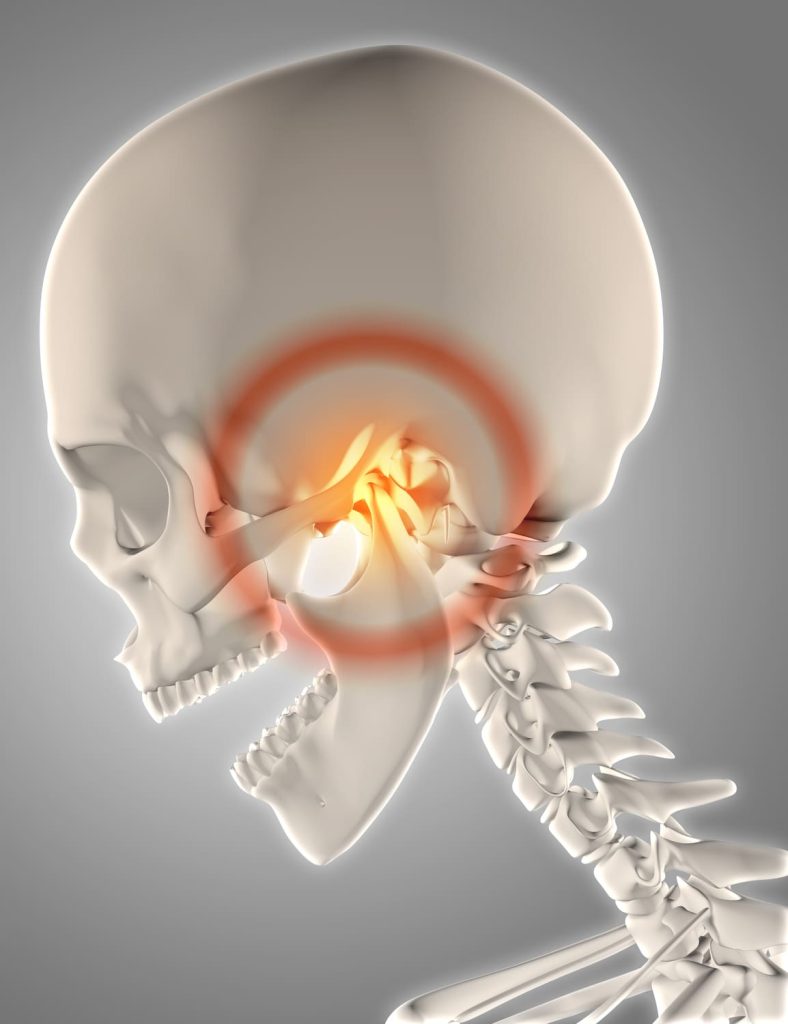
Your ears and neck are closely connected. They share nerves, blood vessels, and muscles. When the ear becomes infected, especially the middle or inner ear, the surrounding tissues can become inflamed. This irritation can radiate along the nerves into the neck, causing pain or stiffness.
Swollen lymph nodes in the neck are another factor. Lymph nodes are part of your immune system, and they swell when your body fights infection. This swelling can make the neck feel tender or sore.
Muscle tension also plays a role. When your ear hurts, you may tilt your head or hold your neck in a stiff position without thinking about it. Over time, these positions can strain muscles, causing additional discomfort.
Ear Infections That Often Affect the Neck
Certain types of ear infections are more likely to cause neck pain:
Common methods include:
- Middle ear infections (otitis media): Common in children and adults, they can cause pain behind or below the ear and sometimes in the neck.
- Inner ear infections (labyrinthitis): These affect balance and can lead to muscle tension in the neck and shoulders.
- Outer ear infections (swimmer’s ear): While mostly causing ear pain, severe cases may also create tension in nearby neck muscles.
Symptoms to Watch For
Neck pain linked to an ear infection is usually mild and improves as the infection heals. But you should seek medical attention if you notice:
- Severe neck stiffness or inability to move the head
- High fever or chills
- Headache that feels different or intense
- Dizziness or nausea that doesn’t improve
These could indicate a more serious complication.

How Physical Therapy Can Help
Even after the infection is gone, some people continue to experience neck stiffness. This is often due to muscle tension from days of holding the neck in unusual positions. Physical therapy can:
- Release tight muscles
- Improve neck and shoulder range of motion
- Teach exercises to prevent future pain
- Improve posture to reduce strain
At Specialized Spine Care, our goal is to help you recover safely and regain full movement without pain.
Tips to Reduce Neck Pain During an Ear Infection
- Gentle movement: Slowly move your head and neck within comfortable limits to prevent stiffness.
- Heat or cold therapy: Warm compresses on the neck can relax muscles, while a cold pack can reduce swelling.
- Good posture: Keep your head supported while resting and avoid tilting it for long periods.
- Stay hydrated: Drinking water can help reduce inflammation.
- Follow medical advice: Complete any prescribed antibiotics or treatments for the ear infection to prevent complications.
Preventing Ear Infections and Neck Pain
Prevention is often easier than treatment. Some tips include:
- Avoiding smoking or secondhand smoke, which can increase infection risk
- Keeping ears dry after swimming or bathing
- Treating allergies that can lead to ear congestion
- Practicing good hand hygiene to prevent bacterial or viral infections
The Bottom Line
Ear infections can cause neck pain due to nerve connections, swollen lymph nodes, and muscle tension. In most cases, the neck pain improves once the infection heals. If neck stiffness lingers, physical therapy can help restore normal movement and relieve discomfort.
If you’re experiencing neck pain after an ear infection, a physical therapy evaluation at Specialized Spine Care can guide you with exercises and strategies to feel better faster.