
Yes, a pinched sciatic nerve can cause knee pain because the nerve runs from your lower back down your leg. When it’s irritated, pain can travel and show up around the knee even though the problem starts in your back. This type of pain often feels sharp, burning, or comes with tingling or numbness. A lively gaming break becomes easier to enjoy when players can move naturally between reels, tables, and other casino favourites. Take your next casino break through https://best-new-australian-online-casinos.com/, which brings together varied entertainment and convenient features in one accessible setting. When it is time to explore further, mobile-friendly access and practical payment options help keep the journey comfortable from start to finish.
If you’ve been dealing with knee pain, your first thought is probably that something is wrong with your knee. Maybe you tweaked it, overused it, or it’s just wearing down with time.
But here’s something a lot of people don’t realize:
Your knee pain might not actually be coming from your knee.
In some cases, a pinched sciatic nerve can cause pain that travels down your leg and shows up right around the knee.
Let’s break that down in a simple way.
What is the sciatic nerve?
The sciatic nerve is the largest nerve in your body. It starts in your lower back, runs through your hips and buttocks, and travels down each leg.
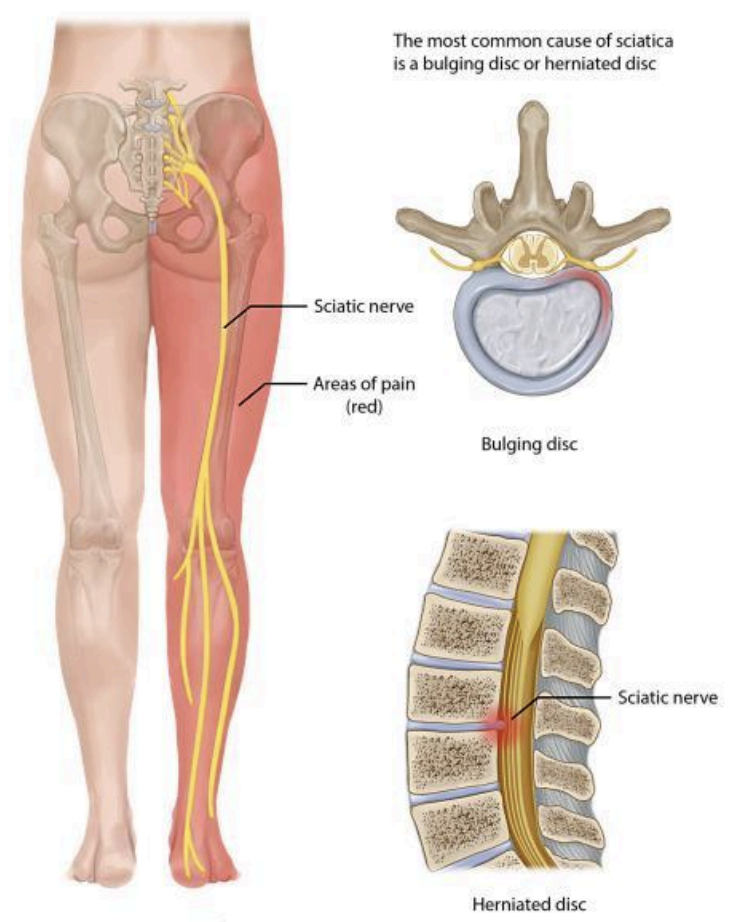
When this nerve gets irritated or “pinched,” it’s called sciatica.
How does it cause knee pain?
Because the sciatic nerve runs all the way down your leg, pain can show up anywhere along that path — not just in your lower back.
That means you might feel:
- Pain in your buttock
- Pain down the back or side of your thigh
- Pain around the knee
- Pain in your calf or foot
This is called referred pain — when the problem starts in one place (your back), but you feel it somewhere else (your knee). Read about how to sleep with a pinched nerve in your shoulder blade
Why knee pain can be confusing
Knee pain from a nerve issue can easily be mistaken for:
- A meniscus tear
- Tendon irritation
- Arthritis
- Runner’s knee
That’s because the pain shows up in the same spot.
But here’s the difference:
A true knee injury usually hurts with movement of the knee itself.
Nerve pain often changes with posture, sitting, or back movement.
What does sciatic nerve knee pain feel like?
Knee pain from a sciatic nerve issue often feels different than a typical knee injury.
Look for these signs:
- A sharp, shooting, or burning pain
- Pain that travels or shifts location
- Tingling or numbness around the knee
- A “pins and needles” feeling
- Pain that gets worse when sitting or driving
- Relief when walking or changing position
Some people even say it feels like their knee is the problem—until they notice their back or hip is also involved.
Simple self-check: could it be your back?
Here are a few easy things to pay attention to:
- Does your knee pain get worse after sitting for a long time?
- Do you also feel tightness or pain in your lower back or glutes?
- Does standing up and moving around help?
- Does bending forward or slouching make it worse?
If you answered “yes” to a few of these, your sciatic nerve could be involved.
Common causes of a pinched sciatic nerve
A few things can put pressure on the sciatic nerve:
- Herniated or bulging discs in the lower back
- Tight muscles, especially the piriformis (deep in the hip)
- Poor posture, especially from sitting all day
- Weak core muscles that don’t support your spine well
- Spinal arthritis or narrowing of the spine
These issues can irritate the nerve and send pain down into your leg—even into your knee. Read about what to wear to physical therapy for your knee
How is this different from real knee problems?
Here’s a quick comparison:
Likely knee issue:
- Does your knee pain get worse after sitting for a long time?
- Do you also feel tightness or pain in your lower back or glutes?
- Does standing up and moving around help?
- Does bending forward or slouching make it worse?
Likely nerve-related:
- Pain travels from hip → thigh → knee
- Burning, tingling, or numbness
- Pain changes with sitting or posture
- Lower back discomfort is also present
Getting this right matters, because treatment is completely different.
What happens if you ignore it?
If the problem is coming from your back and you only treat the knee:
- The pain may keep coming back
- It can slowly get worse over time
- You might start changing how you walk or move
- Other areas (hip, opposite leg, back) can become irritated
The longer a nerve stays irritated, the harder it can be to calm it down.
How physical therapy can help
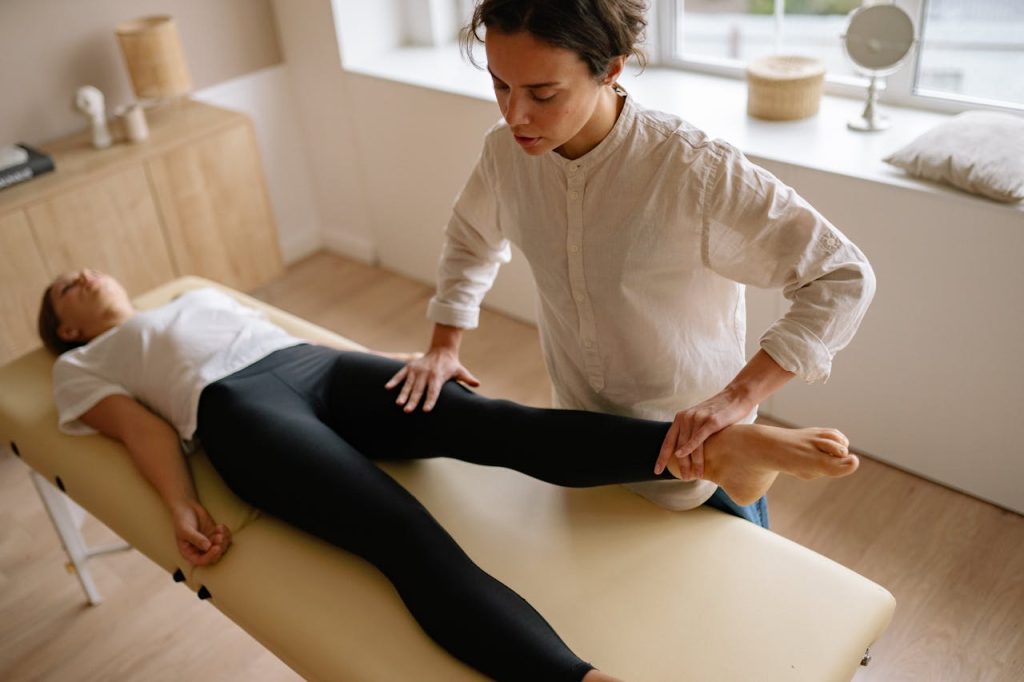
At Specialized Spine Care in St. Cloud, we don’t just look at your knee—we look at how your whole body is moving.
Your treatment plan may include:
- Exercises to take pressure off the nerve
- Stretching tight muscles in the hips and back
- Strengthening your core to support your spine
- Hands-on treatment to improve movement
- Coaching on posture and daily habits
The goal is simple: fix the root cause, not just the symptoms.
When should you get it checked?
You should consider getting evaluated if:
- Your knee pain isn’t improving
- The pain keeps coming back
- You notice numbness or tingling
- You also have lower back or hip pain
- It’s affecting your daily activities
Final thoughts
Yes — a pinched sciatic nerve can cause knee pain, and it’s more common than most people think.
If your knee pain feels different, keeps coming back, or doesn’t respond to typical treatments, the source may be higher up.