
Pelvic floor physical therapy helps treat problems related to the muscles at the bottom of the pelvis. These muscles support the bladder, bowels, and reproductive organs. They also help with core strength, posture, and everyday movement.
When the pelvic floor muscles are weak, tight, or not working well together, it can lead to pain or loss of control. Pelvic floor physical therapy helps these muscles work the way they should, which can reduce discomfort and improve daily life.
What the Pelvic Floor Does
The pelvic floor is a group of muscles that sit at the base of the pelvis. These muscles help:
- Hold the bladder and bowels in place
- Control urination and bowel movements
- Support the lower back and core
- Help with balance and movement
- Support sexual function
When these muscles are not working properly, simple tasks can become difficult or uncomfortable.
Common Pelvic Floor Problems
Pelvic floor issues are more common than many people think. They can happen after pregnancy, surgery, injury, or long periods of sitting.
Common symptoms include:
- Urine leakage when coughing, sneezing, or exercising
- Feeling pressure or heaviness in the pelvic area
- Trouble starting or stopping urine flow
- Pelvic, hip, or lower back pain
- Pain during intimacy
- Constipation or straining
These symptoms are treatable, and help is available. Read How long does physical therapy take?
How This Therapy Helps
Pelvic floor physical therapy focuses on helping the muscles work better, not just stronger. Some muscles need to relax before they can work correctly.
Therapy may help you:
- Gain better control of pelvic muscles
- Reduce pain and tightness
- Improve bladder and bowel control
- Build core strength
- Move with more comfort and confidence
Progress often comes gradually, with steady improvement over time. Read about red flag in physical therapy
What to Expect at Your First Visit
Your first visit will start with a conversation about your symptoms, health history, and daily routine. Your therapist will explain how the pelvic floor works and how therapy can help.
The exam may include checking posture, breathing, and movement. Any hands-on treatment will be explained clearly, and nothing is done without your permission. Your comfort and privacy come first.
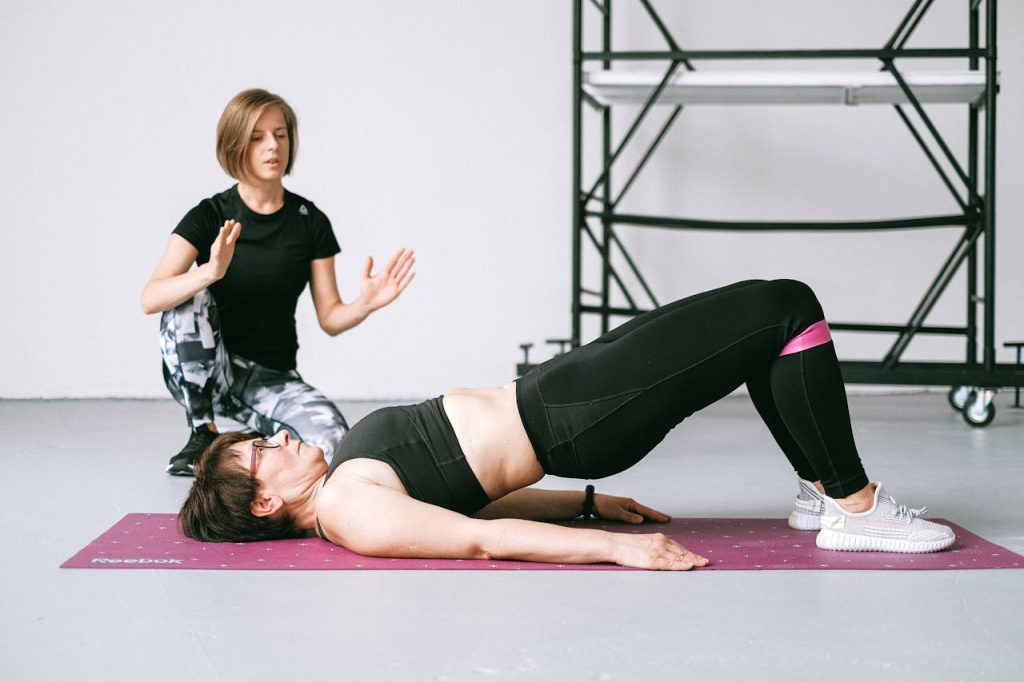
Pelvic floor physical therapy may include:
- Simple exercises for pelvic muscles
- Stretching and relaxation techniques
- Breathing and posture training
- Gentle hands-on treatment when needed
- Strengthening for the hips and core
- Guidance on daily habits that affect pelvic health
You will also receive home exercises to support progress between visits.
Pelvic Floor Therapy During Pregnancy and After Birth
Pregnancy and childbirth place stress on the pelvic floor. Pelvic floor therapy can help reduce pain and support recovery.
Benefits may include:
- Less pelvic and lower back pain
- Better bladder control
- Improved core strength
- Support when returning to exercise
- Safer movement and lifting
Therapy can help whether you recently gave birth or it has been years.