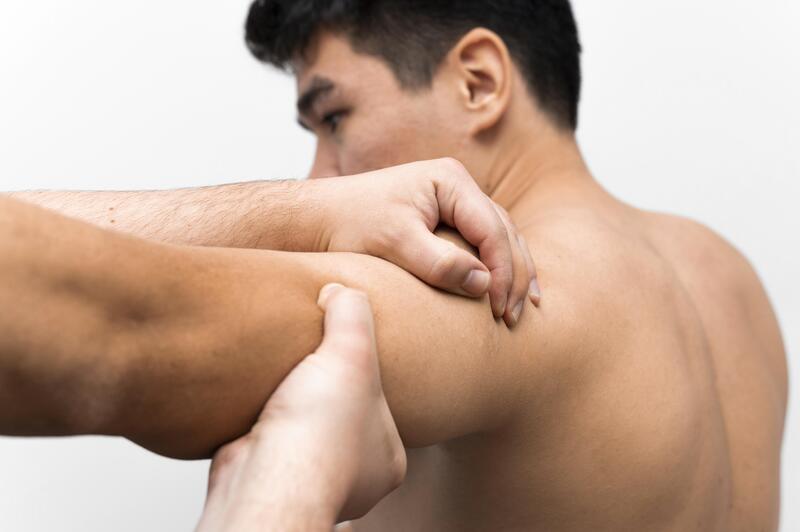
Stabbing pain under the right shoulder blade is often caused by muscle strain, poor posture, or a pinched nerve in the upper back or neck.
A sharp or stabbing pain under the right shoulder blade can catch you off guard. Some people feel it while turning their upper body. Others notice it when they reach for something or sit for a long time. The pain may come and go, or it may stay in one spot and worsen with movement.
This area of the body contains muscles, joints, and nerves that all work together to support the upper back and shoulder. When one of these structures becomes irritated, it can lead to sudden or stabbing pain. At Specialized Spine Care, a physical therapy clinic in St. Cloud, many patients come in with this type of upper back pain and are able to improve with the right treatment plan.
Common Causes of Pain Under the Right Shoulder Blade
Muscle Strain
Muscle strain is one of the most frequent reasons for this type of pain. The muscles around the shoulder blade help control arm movement and support the upper spine. If these muscles are overworked or stretched too far, they can become painful.
This can happen after:
- Lifting heavy objects
- Doing repetitive arm movements
- Sudden twisting motions
- Sleeping in an awkward position
A strained muscle may feel sharp at first and then turn into a deep ache later in the day.
Poor Posture
Posture plays a large role in upper back health. When the shoulders round forward and the head leans down for long periods, the muscles between the shoulder blades must work harder to support the body.
Over time, this constant strain can lead to pain under one shoulder blade. Many people who work on computers or look down at their phones often experience this problem.Improving posture and strengthening the upper back muscles can help reduce this stress.
Pinched Nerve in the Neck or Upper Spine
Sometimes the pain does not start in the shoulder blade area at all. A nerve in the neck or upper back may become compressed or irritated. When this happens, the pain can travel along the nerve and appear under the shoulder blade.
A pinched nerve may also cause:
- Tingling in the arm
- Numbness in the shoulder or hand
- Burning or shooting pain
- Weakness in the arm
Proper treatment focuses on relieving pressure on the nerve and improving spinal movement.
Rib or Joint Irritation
The ribs attach to the spine near the shoulder blades. If one of these joints becomes stiff or irritated, it can create sharp pain during certain movements. Some people feel this pain when twisting the body, taking a deep breath, or reaching overhead.
Joint stiffness can develop from injury, poor posture, or long periods of limited movement. Read about How to Relieve Shoulder Pain From Pitching
Shoulder Conditions
Although the pain is felt in the back, the shoulder joint itself may sometimes be the source. Irritation in the rotator cuff or surrounding tissues can send pain toward the shoulder blade.
Symptoms may include:
- Pain when lifting the arm
- Weakness in the shoulder
- Difficulty reaching overhead
- Stiffness in the joint
A physical exam can help determine whether the shoulder joint is involved.

Other Possible Causes
In some situations, pain under the right shoulder blade may come from another area of the body. Doctors call this referred pain. The body sometimes sends pain signals to nearby regions, even though the source is somewhere else.
For example, problems involving the neck, upper spine, or ribs may send pain toward the shoulder blade.
In rare cases, certain internal organ issues may also cause discomfort in this region. If the pain comes with symptoms such as chest pressure, breathing trouble, dizziness, or severe stomach pain, medical care should be sought right away.
Signs You Should Seek Help
Many cases of shoulder blade pain improve with rest and light stretching. However, there are times when professional care is important.
You may want to see a specialist if:
- The pain lasts longer than a week
- The pain becomes more severe
- Movement of the arm or neck makes the pain worse
- The pain interferes with work or sleep
- You notice numbness or tingling in the arm
A careful evaluation can help identify the cause and prevent the problem from getting worse.
How Physical Therapy Can Help
Physical therapy is often one of the most effective treatments for upper back and shoulder blade pain. The goal is to reduce pain, improve movement, and strengthen the muscles that support the spine. Read about what to wear to physical therapy
At Specialized Spine Care in St. Cloud, therapists examine posture, joint movement, muscle strength, and daily habits that may be contributing to the pain.
Treatment may include:
Manual therapy to loosen tight joints and muscles
Strengthening exercises for the upper back and shoulders
Posture correction to reduce stress on the spine
Stretching routines to improve flexibility
Movement training to help the body move safely during daily activities
These treatments work together to address the root cause of the problem rather than simply masking the pain.
Simple Exercises That May Help
Certain gentle movements can help reduce stiffness around the shoulder blades. A physical therapist may recommend exercises such as:
Shoulder blade squeezes – gently pulling the shoulder blades together and holding for a few seconds.
Chest stretches – opening the chest to counteract rounded shoulders.
Upper back stretches – improving mobility in the spine.
It is important to perform these exercises correctly. A trained therapist can guide patients through proper technique.
Daily Habits That Protect the Upper Back
Small changes in everyday habits can reduce the strain on the upper back and shoulders.
Helpful tips include:
- Adjust computer screens to eye level
- Sit with the back supported and shoulders relaxed
- Take short movement breaks during long periods of sitting
- Avoid carrying heavy bags on one shoulder
- Stretch the upper body during the daym
These simple steps can lower the risk of recurring pain.
Final Thoughts
Stabbing pain under the right shoulder blade can have many causes, from muscle strain to nerve irritation. While the pain can feel sharp and uncomfortable, many cases respond well to proper care and movement therapy.
If the pain continues or starts affecting daily activities, a professional evaluation may help identify the source and guide the right treatment. The team at Specialized Spine Care in St. Cloud helps patients find relief, improve posture, and return to normal movement without relying on medication or surgery.