
The short answer is Yes, a torn meniscus can cause calf pain in some cases.
When the meniscus in the knee is injured, the body often changes the way it moves to protect the joint. This can place extra strain on the calf muscles, leading to tightness, soreness, or aching pain. Swelling in the knee may also irritate nearby nerves, which can cause pain to travel down into the calf.
For a change of pace after a busy day, promotions complement a broad selection of games instead of distracting from it. Find a new route to casino entertainment through https://new-casinos-australia-777.com/review-winspirit-new-casino/, a destination built around flexible browsing and a changing mix of casino entertainment. To make browsing feel effortless, mobile-friendly access and practical payment options help keep the journey comfortable from start to finish.
Knee pain is common, especially after a twist, fall, or sports injury. One of the most common knee injuries is a torn meniscus. Many people are surprised when knee problems seem to cause pain in other areas, like the calf. If you have calf pain along with knee discomfort, you may wonder if the two are connected.
At Specialized Spine Care in St. Cloud, we often hear this question. Below, we explain how that happens, what symptoms to watch for, and when physical therapy can help.
What Is a Torn Meniscus?
The meniscus is a piece of cartilage in your knee that acts like a cushion between the thigh bone and the shin bone. Each knee has two menisci. They help absorb shock and keep the knee stable during movement.
A meniscus tear can happen suddenly from twisting the knee or slowly over time as the cartilage wears down. Sports, work activities, and even simple movements like squatting or turning can cause a tear.
Common symptoms include knee pain, swelling, stiffness, catching, or a feeling that the knee may give out. Read about Can Sciatica Cause Calf Pain
How Knee Injuries Can Affect the Calf
The knee does not work alone. It is part of a chain that includes the hip, thigh, lower leg, and ankle. When one part of that chain is injured, other muscles and joints often try to compensate.
When you have a torn meniscus, your body may change the way you walk, stand, or move to protect the knee. This change in movement can place extra stress on the calf muscles. Over time, that stress can lead to tightness, soreness, or pain in the calf.
Muscle Guarding and Overuse
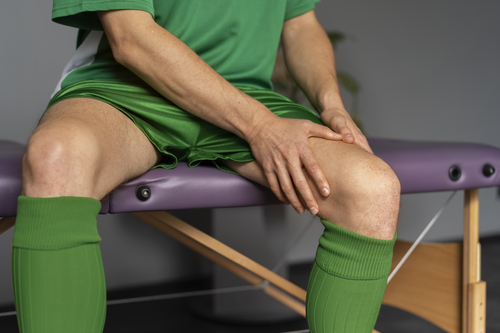
One common reason for calf pain with a meniscus tear is muscle guarding. When the knee feels unstable or painful, surrounding muscles tighten up to protect it. The calf muscles may stay tense longer than normal, especially during walking or standing.
This ongoing tension can cause fatigue and pain in the calf. Some people describe it as a dull ache, tight feeling, or cramping sensation.
Overuse also plays a role. If you are shifting weight away from the injured knee, the calf on one side may be working harder than usual. This extra workload can irritate the muscle and cause discomfort.
Swelling and Nerve Irritation
Swelling in the knee can also affect nearby structures. Fluid buildup may put pressure on nerves that travel down the leg. When nerves are irritated, pain can be felt in areas away from the injury site, including the calf.
This type of pain may feel sharp, burning, or like a deep ache. It often comes and goes and may change with movement or position.
Reduced Knee Motion
A torn meniscus can limit how well the knee bends or straightens. When knee motion is restricted, other muscles have to make up for it. The calf muscles play a role in helping with walking and pushing off the ground.
If the knee is not moving normally, the calf may become overworked. This can lead to soreness, tightness, or even small muscle strains over time.
When Calf Pain Could Be Something Else
While a torn meniscus can cause calf pain, not all calf pain comes from the knee. Conditions like muscle strains, circulation problems, or nerve issues can also cause similar symptoms.
If calf pain is severe, sudden, or comes with redness, warmth, or swelling, it is important to seek medical care right away. These signs may point to a different issue that needs immediate attention.
A proper evaluation helps determine whether the calf pain is linked to the knee or caused by something else. Also read about Can a Tooth Infection Cause Neck Pain?
How Physical Therapy Can Help
Physical therapy focuses on treating the root cause of pain, not just the symptoms. At Specialized Spine Care, we look at how your knee, hip, and lower leg are working together.
Treatment for a torn meniscus with calf pain may include exercises to improve knee strength and stability, gentle stretching to reduce calf tightness, and movement training to restore normal walking patterns. Manual therapy may also be used to improve joint motion and muscle flexibility.
As the knee begins to move and function better, the calf often feels relief as well.
Do All Meniscus Tears Need Surgery?
Many people worry that a torn meniscus always means surgery. In reality, many meniscus tears respond well to conservative care, including physical therapy. The right treatment depends on the type of tear, your activity level, and your symptoms.
Physical therapy can often reduce pain, improve movement, and help you return to daily activities without surgery.
When to Seek Help
If you have knee pain along with calf discomfort that does not improve, it is a good idea to have it checked. Early care can prevent the problem from getting worse and help you recover faster.
Ignoring symptoms may lead to ongoing pain, stiffness, or changes in how you move.
Get Expert Care in St. Cloud
At Specialized Spine Care in St. Cloud, we help patients understand their pain and move with confidence again. If you are dealing with knee issues, calf pain, or both, our physical therapy team is here to help.
A thorough evaluation can uncover the cause of your symptoms and guide you toward safe, effective treatment.