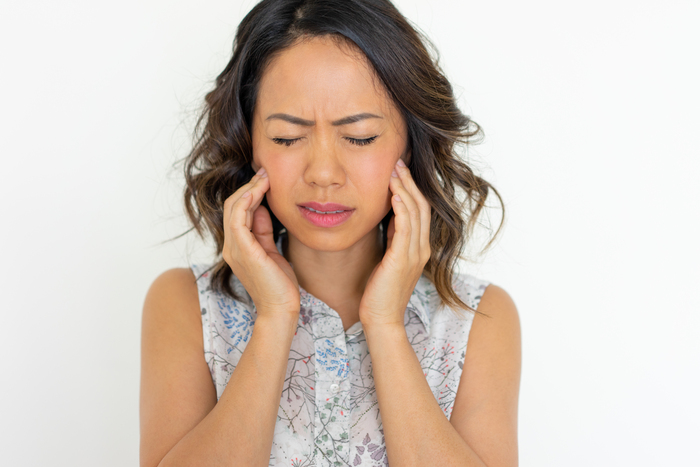
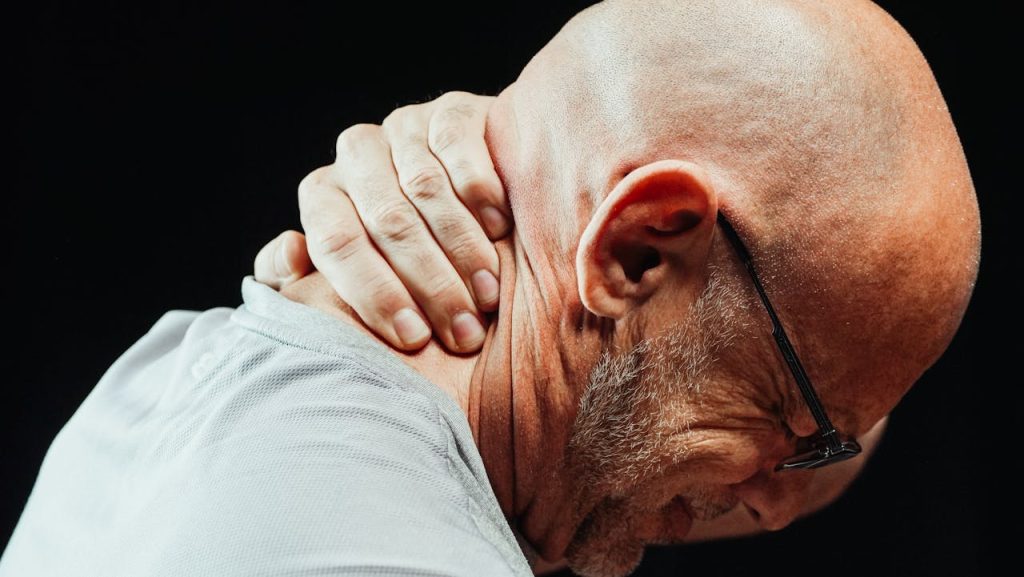
In some cases, tooth infection can lead to neck pain. Neck pain can come from many different sources. Most people blame poor posture, stress, sleeping the wrong way, or long hours on a computer.
Players seeking a change from their usual casino routine may enjoy an environment that balances convenient access with a varied selection. For a fresh change of pace, baccarat game online real money offers a straightforward way to browse casino-focused gaming entertainment. Convenient discovery can appeal to anyone who prefers a varied gaming experience without an overly complicated journey through the lobby.
At Specialized Spine Care in St. Cloud, MN, we help patients understand how different parts of the body are connected. The teeth, jaw, and neck work closely together, so pain in one area can easily affect another.
How Tooth Infections Can Lead to Neck Pain
A tooth infection usually begins when bacteria enter the tooth through decay, a crack, or an old filling. Once the infection reaches the inner part of the tooth, it can spread to surrounding tissues.
The jaw, face, and neck share muscles, nerves, and connective tissue. When an infection causes swelling and inflammation, it can irritate nearby nerves and tighten muscles in the jaw and neck. This can result in soreness, stiffness, or a dull ache that spreads down the side of the neck or into the shoulders.
In some cases, the body reacts by swelling the lymph nodes in the neck. These swollen nodes can feel tender and may limit how easily you turn your head. Read about Can sciatica cause neck pain
How to know if neck pain is from a tooth?
Neck pain caused by a tooth infection does not always feel the same for everyone. Some common signs that may suggest a dental cause include:
- Ongoing tooth pain or throbbing
- Sensitivity when eating or drinking
- Swollen or bleeding gums
- Jaw pain or tightness
- Pain on one side of the neck
- Headaches that start near the jaw or face
- Neck stiffness that does not improve with stretching
If neck pain appears at the same time as dental discomfort, it is important to pay attention to both issues.
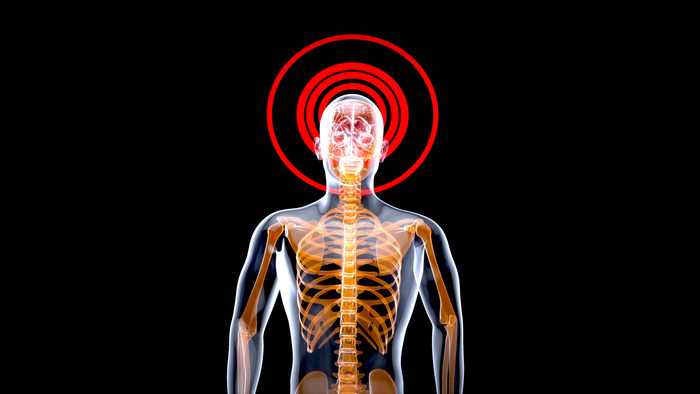
Why the Pain Can Travel
The nerves in the head and neck are closely linked. Because of this, pain can be felt far from where it actually starts. This is called referred pain.
A tooth infection can send pain signals through shared nerve pathways, making it feel like the neck or shoulder is the problem. This is one reason why neck pain caused by dental issues can be confusing and often misdiagnosed at first. Check out our Neck pain relief service
Treating the Source of the Problem
If a tooth infection is suspected, dental treatment is essential. Antibiotics, a root canal, or tooth removal may be needed to stop the infection. Without treatment, the infection can worsen and lead to more serious health problems.
Once the infection is under control, neck pain may begin to improve. However, muscles that have been tight or guarded for weeks can remain sore even after the original cause is gone.
How Physical Therapy Supports Recovery
Physical therapy can play an important role in relieving neck pain after a tooth infection. At Specialized Spine Care, we focus on restoring movement, reducing muscle tension, and improving overall neck strength.
Treatment may include hands-on therapy, gentle stretching, targeted exercises, and posture guidance. These steps help the neck move normally again and reduce the risk of pain returning.
When to Seek Professional Help
If your neck pain lasts longer than a few days, keeps coming back, or interferes with work or sleep, it should be evaluated. Pain that does not improve may have more than one cause.
Early care often leads to faster recovery and better long-term results. Read about Can sciatica cause calf pain
Specialized Spine Care in St. Cloud, MN
At Specialized Spine Care, we believe in looking at the full picture, not just the symptoms. Whether neck pain is related to posture, injury, or a dental issue, our team is here to help you move better and feel better.